

Porcelain or composite veneers, which is the best option for your smile?
Porcelain or composite veneers have become two of the most demand cosmetic dental treatments for improving smiles quickly, safely, and naturally. They make it possible to correct issues such as worn, chipped, stained, spaced, or slightly irregular teeth.
However, one of the most frequently asked questions among patients is: which option is better, porcelain veneers or composite veneers?
The answer depends on several factors, such as the patient’s aesthetic needs, desired durability, available budget and the characteristics of each individual smile.
In this guide, we explain the main differences between both treatments to help you make the best decision.
What are composite veneers?
Composite veneers are made from a high-quality aesthetic resin that is applied directly to the tooth and carefully shaped to achieve the desired form.
One of their main advantages is that they can usually be completed in a single appointment, allowing for an immediate smile transformatio
Composite veneers advantages
- More affordable treatment.
- Fast and immediate results.
- Minimally invasive procedure.
- Can be easily repaired if chipped or damaged.
- Preserve more of the natural tooth structure.
Composite veneers disadvantages
- Shorter lifespan.
- They can lose their shine over time.
- They are more susceptible to staining from coffee, wine, or tobacco.
- Require more frequent maintenance.
What are porcelain veneers?
Porcelain veneers are ultra-thin shells custom-made in a dental laboratory that are bonded to the surface of the teeth using advanced adhesive techniques.
They are designed to provide exceptional aesthetics and long-lasting durability.
Porcelain veneers advantages
- Highly natural-looking appearance.
- More resistant to wear over time.
- They don’t stain easily.
- They maintain their natural shine for many years.
- Excellent long-lasting aesthetic results.
Porcelain Veneers disadvantages
- Higher upfront cost.
- They typically require two or more appointments.
- In some cases, minimal tooth preparation may be necessary.
Differences between porcelain and composite veneers
Aesthetics
Porcelain veneers offer a translucency and light-reflecting properties very similar to those of natural tooth enamel, delivering highly aesthetic results.
Composite veneers also deliver excellent results, although porcelain typically achieves a higher level of naturalness.
Longevity
Composite veneers typically last around 5 to 7 years with proper maintenance.
Porcelain veneers can easily last over 10 years, and in many patients even up to 15 years.
Stain resistance
Porcelain is highly resistant to staining.
Composite, although resistant, can become stained over time.
Maintenance
Composite veneers usually require periodic polishing to maintain their shine. In terms of maintenance, they typically require check-ups every four months during the first year and from the second year onwards, every six months.
Porcelain veneers require less aesthetic maintenance, with check-ups recommended approximately every six months.
Cost
Composite is usually a more affordable option.
Porcelain is more expensive, but provides longer-lasting results.
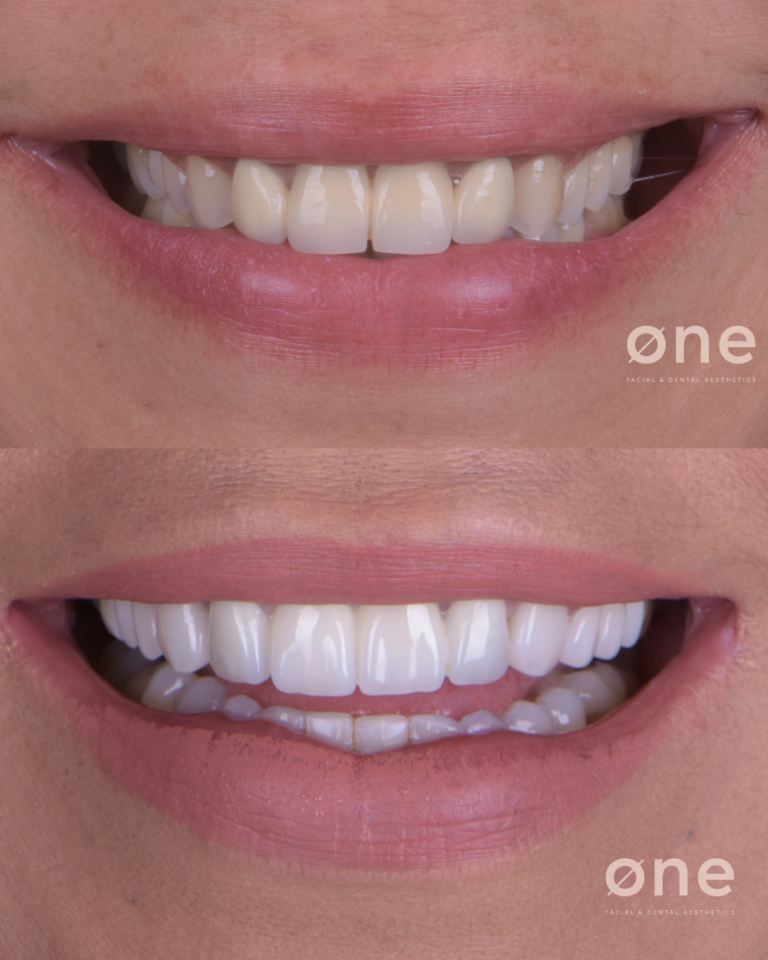
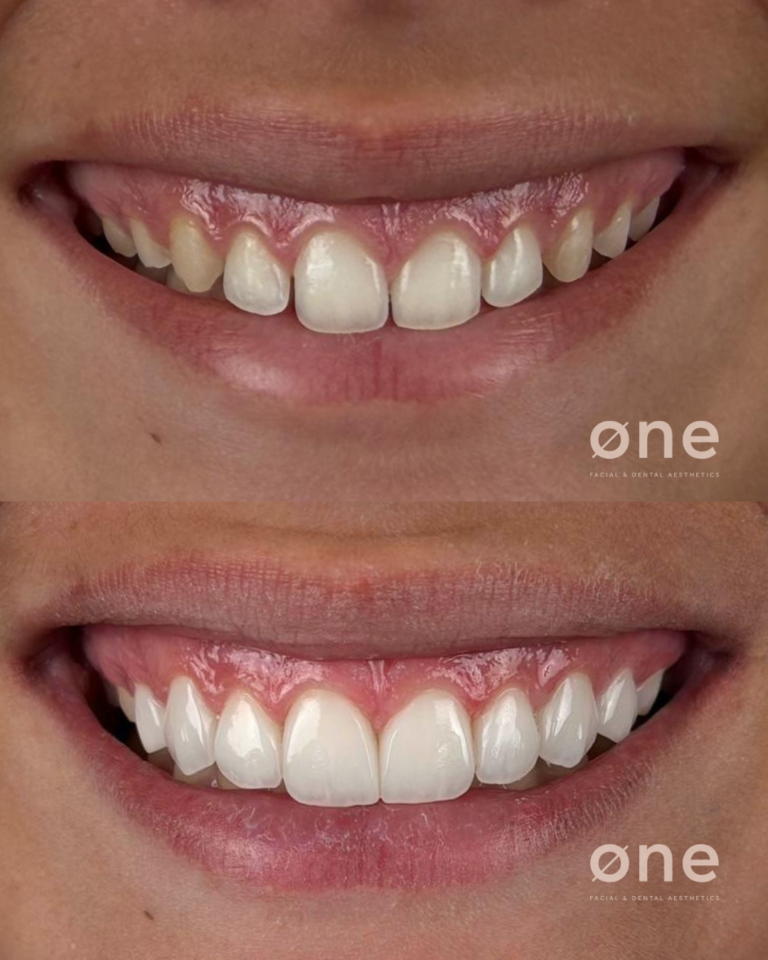
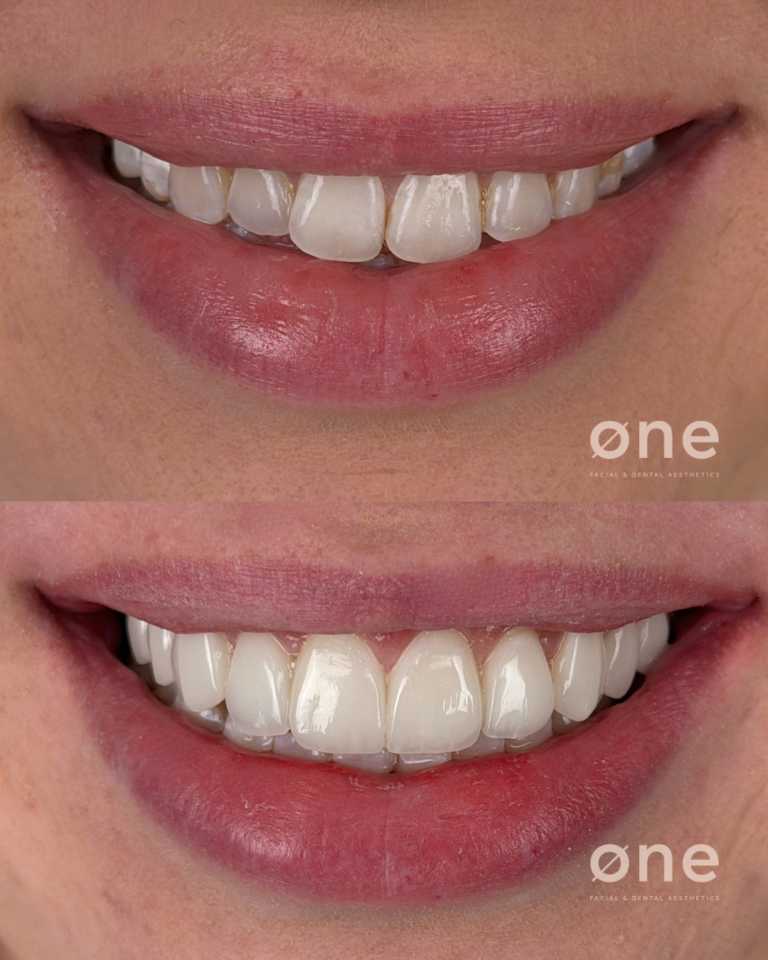
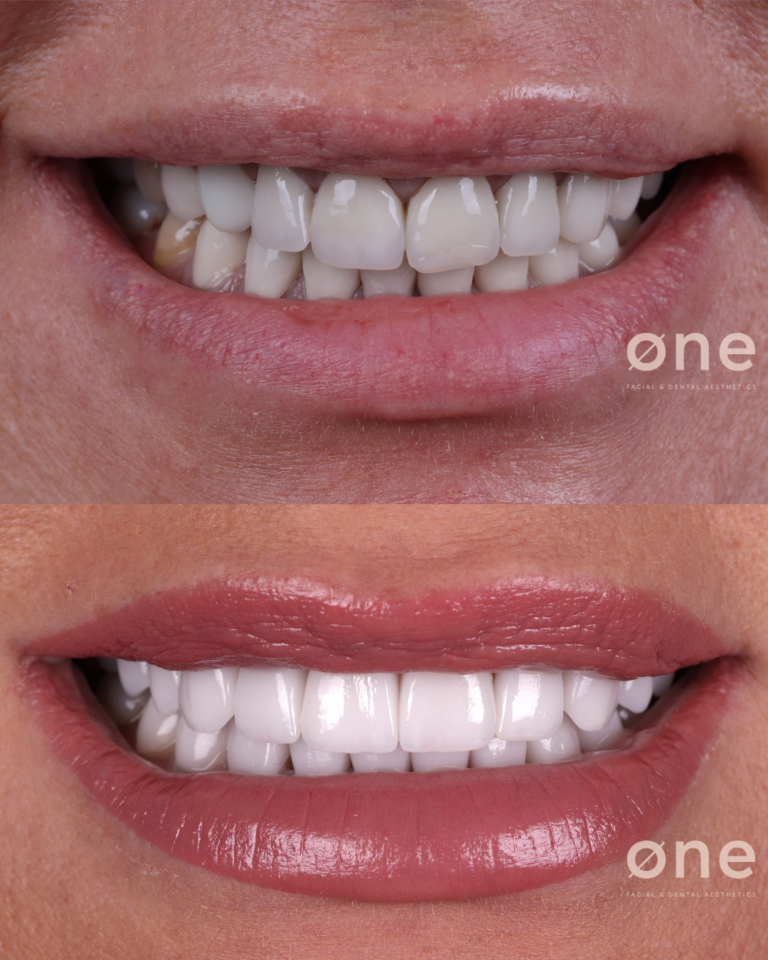
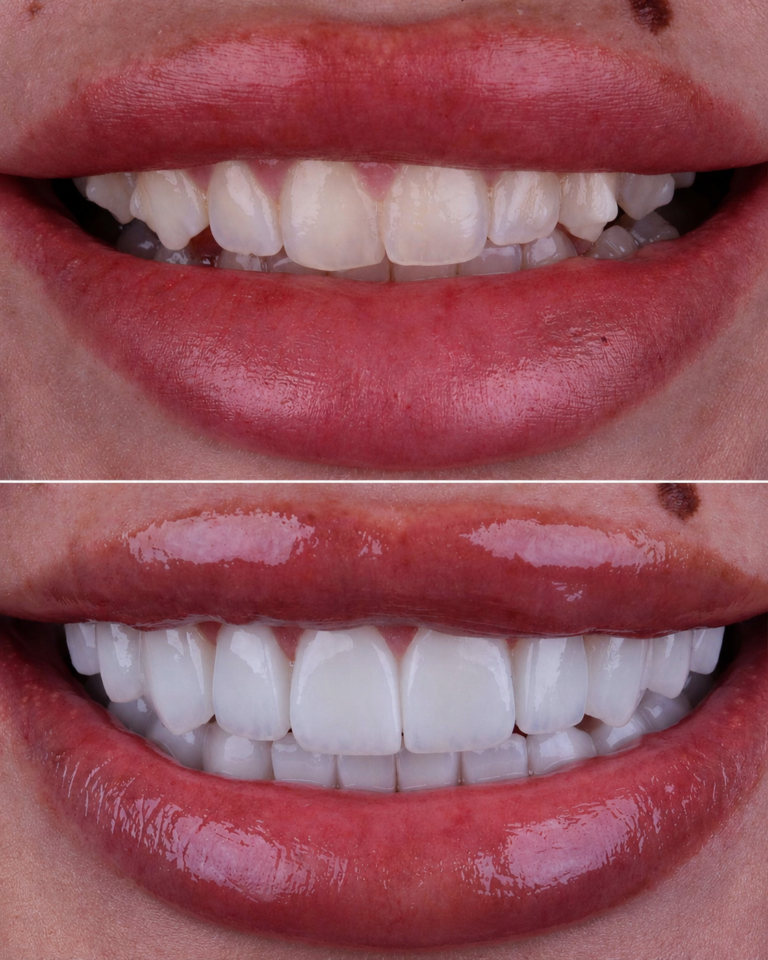
Which type of veneers last longer?
If durability is the main priority, porcelain veneers are usually the best option.
Thanks to their mechanical strength and aesthetic stability, they can maintain excellent results for many years with proper care.
However, the longevity of any treatment will also depend on factors such as:
- Oral hygiene.
- Diet.
- Teeth grinding (bruxism).
- Regular check-ups.
- Use of a night guard when necessary.
Which option provides a more natural-looking result?
Both treatments can achieve highly aesthetic, natural-looking results when carried out by cosmetic dentistry specialists.
The quality of the final result depends not only on the material used, but also on the clinician’s experience, technique and treatment planning.
Both composite and porcelain veneers can achieve harmonious and natural-looking smiles. The choice between the two depends on factors such as the patient’s needs, the degree of correction required, the desired longevity, and the specific characteristics of each case.
Which type of veneers is best for each patient?
Composite veneers may be ideal for:
- Young patients.
- Moderate aesthetic corrections.
- More conservative treatments.
- People looking for a quick solution.
- Patients with a more limited budget.
Porcelain veneers are usually recommended for:
- Major aesthetic changes.
- Full smile makeovers.
- Patients who want long-lasting results.
- People seeking highly natural-looking results.
- Cases in which long-term aesthetic stability is a priority.
EXCELENTETrustindex verifica que la fuente original de la reseña sea Google. Trato maravilloso y médicos de primer nivelPublicado en GoogleTrustindex verifica que la fuente original de la reseña sea Google. I highly recommend visiting Ms.Renata Pobłocka.I have never had my hair in such great condition;It's shiny and doesn't frizz.Besides that, the atmoshere during the visit makes you want to come back more often.Publicado en GoogleTrustindex verifica que la fuente original de la reseña sea Google. Transmito y recomiendo plenamente al equipo de la clínica Dental, One de Marbella. En mi primera visita de ayer (25/9/24), me informó la Directora Nerea, explicándome con pleno conocimiento el proceso y presupuesto de mi solicitud de asistencia. Hoy me atendió la Dra. Rebeca, desde su agradable y educado recibimiento ya hizo que me sintiera más tranquilo y relajado, soy algo sensible. Rebeca hizo su labor con una seguridad y cuidado extremo, ademas tambien al revisarme mi dentadura, me informó y aconsejó una intervención necesaria, la cual ya he decidido que me la programen para realizarla en fecha próxima.Publicado en GoogleTrustindex verifica que la fuente original de la reseña sea Google. Nos estamos atendiendo mi novio y yo en esta clínica, y por ahora estamos muy contentos con los resultados que vamos teniendo. Son muy amables, y nos dan seguridad. Gracias clínica ONEPublicado en GoogleTrustindex verifica que la fuente original de la reseña sea Google. Heel prettig geholpen en fijn dat het zo snel kon.Publicado en GoogleTrustindex verifica que la fuente original de la reseña sea Google. El servicio impecable con personalización detallada. Amabilidad y profesionalidad luce. Te hace querer volver!!)
Frequently Asked Questions (FAQ's)
Do veneers damage natural teeth?
No, when properly indicated and performed by qualified professionals, veneers are a safe and minimally invasive treatment.
Can veneers chip or break?
Although they are strong, both composite and porcelain veneers can be damaged by excessive force or poor habits.
Do veneers stain over time?
Porcelain veneers are very resistant to discoloration, while composite veneers can be more prone to staining depending on lifestyle habits.
Can I eat normally after the treatment?
Yes, after the treatment, you can return to normal daily life, following your dentist’s recommendations.
Do veneers last forever?
Porcelain veneers are generally considered a long-term solution. Composite veneers, however, may require touch-ups or replacement over time.
Can I choose the shape and colour?
Yes, the design is 100% customised.
Which is the most cost-effective option?
Composite veneers usually have a lower cost than porcelain veneers.
Can I finance them?
Yes, Øne Clinic Marbella offers flexible financing options.
Conclusion
Both composite and porcelain veneers can achieve excellent results when planned and carried out by experienced cosmetic dentists.
Composite veneers stand out as a more affordable, faster and minimally invasive solution, while porcelain veneers offer greater durability, strength and a more natural aesthetic.
The best option will always depend on the characteristics of your smile, your aesthetic goals and your dentist’s recommendations.
If you are considering improving your smile and want to know which type of veneers is most suitable for you, a personalized consultation is the first step toward achieving a natural, harmonious, and long-lasting result.